58.497 species, the survival of trees.
It gives us some confidence in the future to know that there are 58,497 species of trees on Earth.
The State of the World's Trees report on research conducted by Botanic Gardens Conservation International describes the level of biodiversity still widespread on our planet. The highest figure was recorded in Brazil with 8,847 species. It is followed by Colombia, a country close to the Amazon, with 5,868 varieties, and Indonesia, a country on the other side of the world, with 5,716 types of trees.
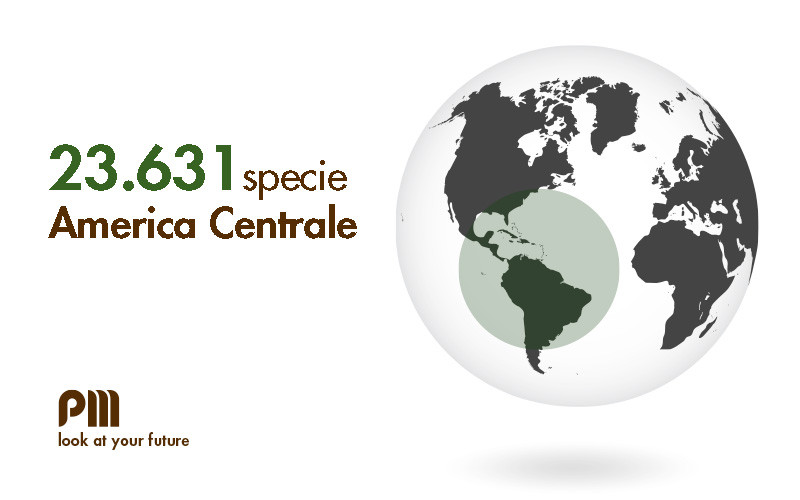
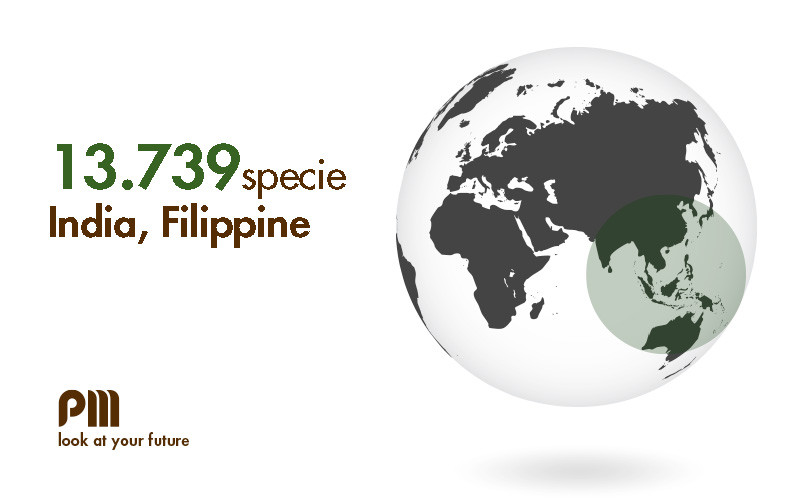
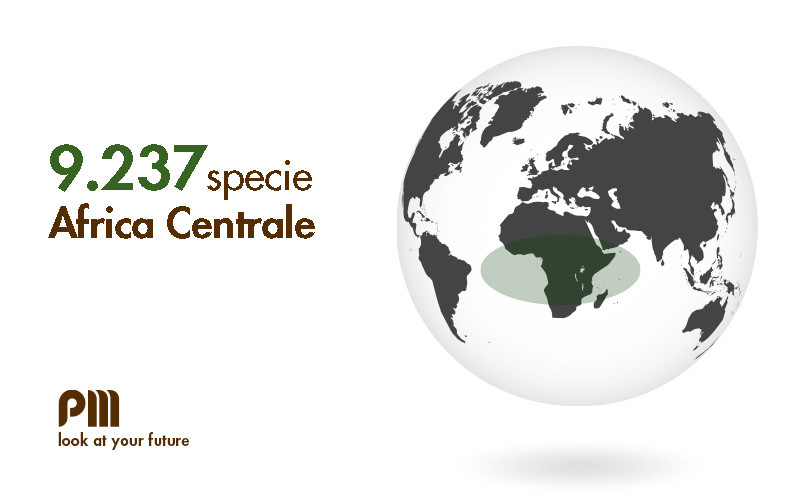
The equatorial zone is therefore the most hospitable area for biodiversity. At the continental level, Central and South America hold the record with 23,631 tree species. In second place is tropical Asia, stretching from India to the Philippines, with 13,739 varieties, while the figure drops to 9,237 in sub-Saharan Africa, including Madagascar. In short, the further away from the equator, the fewer tree species there are: the northernmost regions of the planet are the poorest, with less than 1,400 species.
What the figures in this report should remind everyone is the irreplaceable role that trees play in the complex mechanism of functioning above and below the Earth's surface. They purify water, prevent soil erosion, protect it from flooding, control air temperature, and regulate air quality.
No biological production process that functions well or poorly on Earth would dare to do without such a punctual and reliable service provider. Yet, uncontrolled deforestation projects and irreversible climate change have reduced endemic tree species to 58%. More than half of these are found in a single country, which is worrying for their survival. This is one of the reasons why 300 species are now at risk of extinction. The danger of seeing some of them disappear forever is higher in the equatorial zone, especially in Africa and Madagascar, while the risk is lower in the northernmost regions of the planet. For some varieties, the number of specimens does not exceed 50, while others do not even reach 10. There are only six specimens of the Karomia Gigas tree in the world, all of which are found in Tanzania.
The survival of the planet and its inhabitants is closely linked to the survival of trees: the suspended thread of human behavior, the direct thread of nature's reactions.